
Nourish your gut
What is the gut?
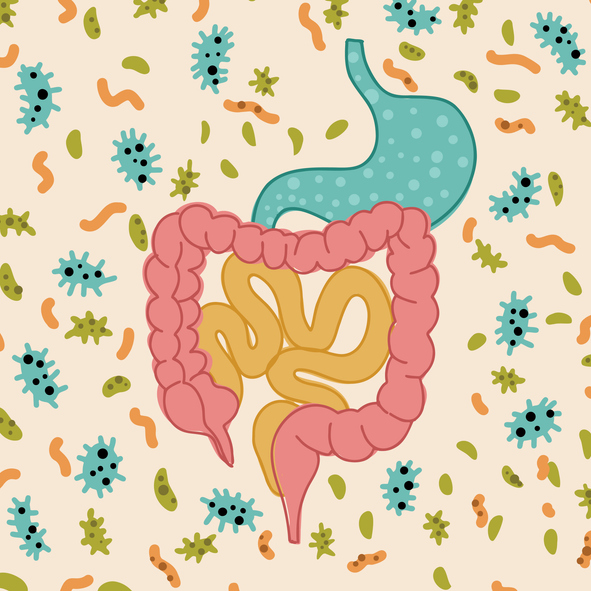
- Gut: Refers to the gastrointestinal (GI) tract, which includes the mouth, esophagus, stomach, small intestines, large intestines (colon) and anus
- Gut microbiome: Refers to the complex ecosystem of bacteria, viruses and fungi that reside in the GI tract, mostly in the colon
- Gut health: Refers to the health of our gut microbiome as well as the health and function of the organs, tissues and membranes that make up our GI tract
Why should I care about my gut?
- Ongoing research suggests that the gut microbiome impacts various systems of the body:
- Digestive system: food digestion and nutrient absorption takes place in the gut
- Immune system: the gut contains up to 80% of your immune system cells and plays a major role in managing inflammation
- Nervous system: the gut-brain axis is the network of nerves, neurons and neurotransmitters that runs through your GI tract; the gut may play a role in mental health and mood disorders
- Endocrine system: the gut regulates aspects of metabolism, including blood sugar, hunger and satiety; the gut may play a role in obesity, insulin resistance, diabetes and fatty liver
Eubiosis vs. Dysbiosis
- Eubiosis means there is a balanced microbiome with a healthy diversity of bacteria.
- Dysbiosis means there is an unbalanced microbiome with too few good bacteria, too many bad bacteria and/or lack of bacterial diversity.
- Lifestyle factors that affect the balance of the gut microbiome:
- Chemical exposure
- Living environment
- Medications
- Psychological stress
- Sleep habits
- Dietary habits
Foods that promote eubiosis
Fiber
- Insoluble fiber promotes regular bowel movements, which supports a healthy gut microbiome.
- Soluble fiber is fermented by good bacteria which produce byproducts that protect the gut lining against harmful microorganisms.
Good food sources of fiber
- Insoluble fiber: fruits, nuts, seeds, vegetables, whole grains
- Soluble fiber: avocado, barley, fruits (apple with skin, berries, citrus fruits, mango, nectarines, pear with skin), legumes, oats, vegetables (asparagus, broccoli, Brussels sprouts, carrots, lima beans)
Prebiotics
- Prebiotics are specific fibers that are fermented by bacteria in the gut and increase beneficial bacteria.
Good food sources of prebiotics
- Whole food sources include asparagus, avocado, bananas, eggplant, garlic, jicama, leafy greens, leeks, onions, whole grains.
- Resistant starch is also a good source of prebiotics and is formed when certain starches are cooked and cooled, such as rice, potatoes and legumes.
- Many high-fiber products have prebiotic ingredients. Terms you might see on food labels include: acacia gum, inulin, polydextrose, psyllium, wheat dextrin, GOS (galactooligosaccharides), FOS (fructooligosaccharides) and TOS (transgalactooligosaccharides).
Probiotics
- Probiotics are live microorganisms that increase numbers of beneficial bacteria and prevent growth of harmful ones.
Good food sources of probiotics
- Fermented vegetables
- Kimchi (look for unpasteurized and refrigerated)
- Pickles (made without vinegar)
- Sauerkraut (look for unpasteurized and refrigerated)
- Kefir
- Kombucha
- Miso
- Tempeh
- Yogurt with live and active cultures
Polyphenols
- Polyphenols are naturally occurring compounds found in plants that increase numbers of beneficial bacteria and prevent growth of harmful ones.
Good food sources of polyphenols
- Beverages: Coffee, green tea, red wine
- Fruits: Apples, berries, cherries, grapes, pears
- Spices: Chili peppers, cumin, ginger, turmeric
- Vegetables: Broccoli, brussels sprouts, carrots, cauliflower, onions, red cabbage, spinach, tomatoes
- Other: Dark chocolate, flax seeds, oats, olive oil, sesame seeds, whole grains
Omega-3 fatty acids
- Omega-3 fatty acids are polyunsaturated fatty acids that help maintain a balanced gut microbiome and strengthen the integrity of the gut wall.
Good food sources of Omega-3 fatty acids
- Fatty fish (preferred source): Anchovies, herring, mackerel, oysters, salmon, tuna
- Plant sources (less ideal): Chia seeds, edamame, flaxseeds, hemp seeds, soybeans, walnuts
Foods that promote dysbiosis
- Alcohol: High consumption can increase gut permeability and inflammation
- Artificial sweeteners: Aspartame, sucralose and saccharin disrupt the microbiome balance
- Refined carbohydrates: Products made from white flour rapidly alter gut composition
- Refined sugars and sweets: Sugar-sweetened beverages, candy, desserts and high-fructose corn syrup feed harmful bacteria
- Saturated fats: Fried foods and high-fat processed meats promote inflammation-causing bacteria
- Ultra-processed and convenience foods: Fast food, prepared meals and packaged snacks often contain additives, emulsifiers and preservatives that damage the gut lining and disrupt the microbiome balance