
Nutrition Without Noise: Plant-Based Eating
What is a plant-based diet?
There is no scientific consensus on how to define a plant-based diet. This creates confusion for consumers who want to optimize the health benefits of plant-based foods.
The range of plant-based eating patterns:
- Having a plant-based diet means most of the foods you eat are from plant sources, such as fruits, vegetables, whole grains, legumes, nuts, and seeds.
- This eating pattern may include small amounts of animal products, such as meat, seafood, eggs and dairy.
- Plant -based can also describe food or drinks that don’t contain animal products, including meat and dairy alternatives.
Benefits of a plant-based diet
- Plant-based foods contain fiber, vitamins, minerals, phytochemicals, and antioxidants, which can:
- Improve heart health
- Reduce risk for certain cancers
- Improve blood sugar control
- Reduce inflammation
- Promote gut health
- Support immune function
Plant-based foods
Fruits and vegetables
- Apples
- Avocado
- Bananas
- Beets
- Bell peppers
- Berries
- Broccoli
- Brussels sprouts
- Cabbage
- Carrots
- Cauliflower
- Celery
- Corn
- Cucumbers
- Garlic
- Grapefruit
- Grapes
- Green peas
- Kiwis
- Leafy greens
- Pears
- Melons
- Microgreens
- Mushrooms
- Mangoes
- Onion
- Oranges
- Peaches
- Pineapple
- Potatoes
- Squash
- Tomatoes
- Zucchini
Whole grains
- Barley
- Bean pasta
- Brown rice
- Cornmeal
- Farro
- Millet
- Oats
- Popcorn
- Quinoa
- Sprouted grain bread
- Wheat berries
- Whole grain bread, cereal, crackers, pasta etc.
- Wild rice
Legumes
- Black beans
- Black-eyed peas
- Brown lentils
- Cannellini beans
- Garbanzo beans
- Edamame
- Green lentil
- Kidney beans
- Navy beans
- Pinto beans
- Soy beans
- Split peas
- Red lentils
Nuts and seeds
- Almonds
- Brazil nuts
- Cashews
- Chia seeds
- Flax seeds
- Hemp seeds
- Nut butters
- Peanuts
- Pecans
- Pistachios
- Pumpkin seeds
- Seed butters
- Sesame seeds
- Walnuts
Plant protein
Plant-based products
- Plant-based products are manufactured or processed items derived from plants. Examples include:
- Traditional soy & wheat proteins: Includes tofu (pressed soy milk), tempeh (fermented soybeans), and seitan (hydrolyzed wheat gluten).
- Plant-based burgers and beef: Patties, grounds, and crumbles made from soy or pea protein.
- Poultry substitutes: Meatless tenders, patties, and shreds.
- Plant-based seafood: Fish-free tuna, crab cakes, and vegan shrimp made using algae or legume proteins.
- Plant milks: Beverages extracted from grains, nuts, or seeds, including oat milk, almond milk, and soy milk.
- Dairy-free cheese: Shreds, slices, and blocks designed to melt like real cheese.
- Yogurts & butters: Cultured cashew, coconut, or soy yogurts and spreadable oil-and-nut-based plant butters.
- Liquid egg replacers: Plant-formulated liquids used for scrambling or baking, primarily made from mung bean protein.
Not all plant-based products are equal
NOTE: Animal meats do not naturally contain carbohydrates, Many plant-based meat products contain seven to 10 grams of carbohydrates per serving.
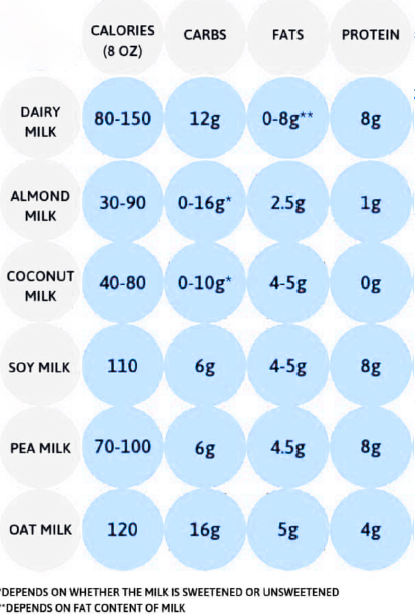
- When shopping for plant-based products, be sure to check out the nutrition facts panel and ingredient list.
- It’s easy to assume that plant-based products are always healthier, so be sure you know the really-reallys before you buy.
Easing into a more plant-based diet
- Start with what you already eat. Don't overhaul your diet. Look at what you already eat and ask, “How can I add a plant?”
- Make plants the easy add-on. Keep frozen vegetables, canned beans, fruit, nuts, seeds, and whole grains on hand so adding something nutritious takes almost no effort.
- Try one meatless meal. You don't need a meat-free day. Start with one plant-based breakfast, lunch, or dinner each week.
- Learn to love legumes. Beans and lentils are inexpensive, filling sources of protein and fiber. Add them to tacos, pasta, soups, chilis, stews, salads, wraps, grain bowls or almost anything else!
- Don't ditch meat—stretch it. Use half the usual amount of meat and replace the rest with beans, lentils, mushrooms, or vegetables. Your favorite recipes can still taste familiar.
- Don't fear plant-based convenience foods. Canned beans, frozen vegetables, hummus, bagged salad, veggie burgers, tofu and frozen grain blends can make eating more plants easier, not less healthy.
- Keep your favorite foods. A plant-based diet doesn't mean giving up pizza, burgers, or dessert. It's about adding, not subtracting.
- Aim for progress, not a label. You don't have to be vegan, vegetarian, or even “mostly plant-based.” If you're eating more fruits, vegetables, whole grains, legumes, nuts, and seeds than you were before, that's progress.