The No Recipe Kitchen
What is no recipe cooking?
- Instead of following a recipe with specific ingredients and instructions, no recipe cooking uses a basic formula to create balanced and tasty meals.
- Learning to cook without recipes isn't about abandoning them completely—it's about understanding the principles behind them so you can adapt, improvise, and create based on what you have and what you enjoy.
Benefits of no recipe cooking
- Efficiency: reduces decision fatigue and saves time
- Flexibility: uses whatever ingredients you have available
- Less waste: uses ingredients that might otherwise go bad
- Confidence: develops trust in your judgment and abilities
- Personalization: creates meals tailored to your preferences
The formula
Protein + Carb + Veggie + Flavor = Balanced, tasty meal
This formula works great for:
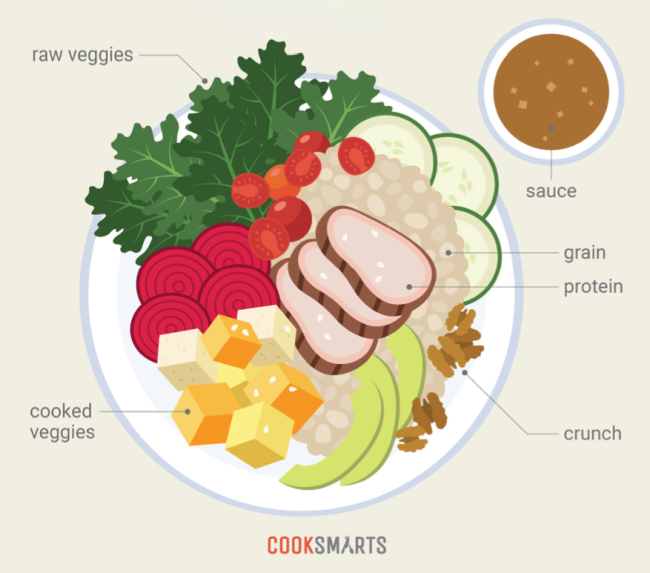
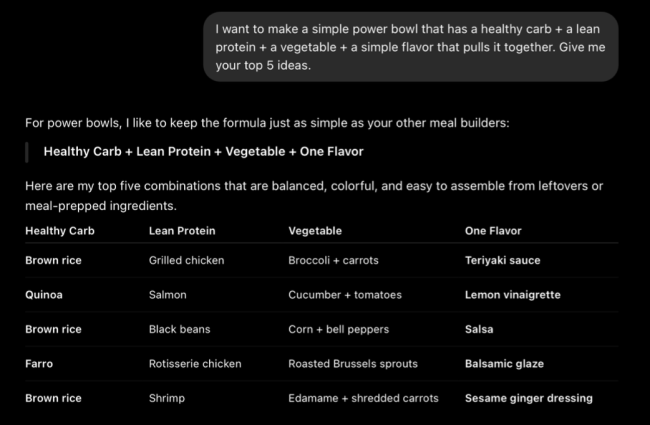
- Power bowls
- Sheet pan meals
- Soups stir-fries
- Salads
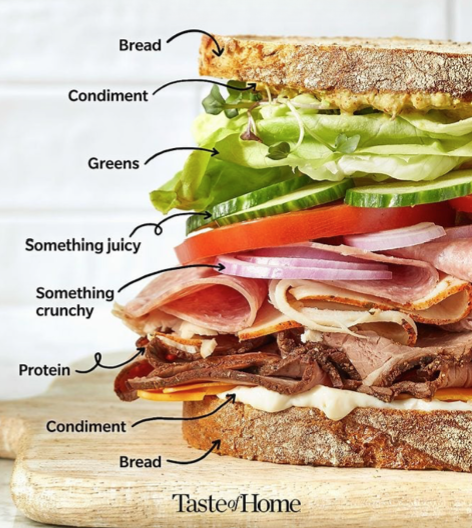
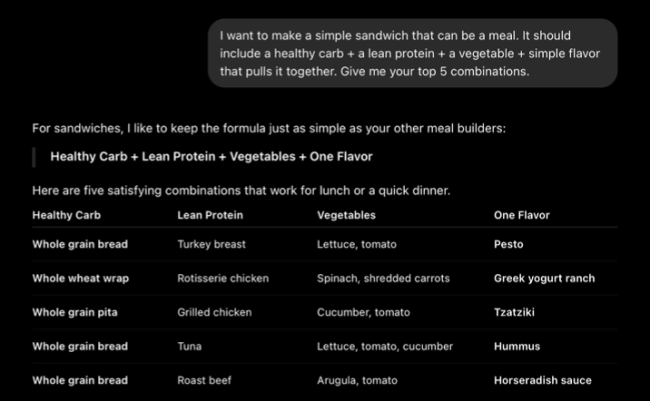
- Sandwiches
Step 1: Pick a protein
- Chicken, turkey, pork, beef
- Fish or shellfish
- Eggs
- Beans or lentils
- Tofu or tempeh
- Greek yogurt
- Cheese (natural, cottage, ricotta)
- Nut or seed butters
Step 2: Choose a carb
- Whole grain or bean-based pasta
- Brown rice, wild rice, quinoa
- Whole grain breads, tortillas, pitas
- Potatoes (white or sweet)
- Winter squash (butternut, acorn, spaghetti)
- Corn
- Oats
- Fruit
- Beans or lentils
- Greek yogurt
Step 3: Add a veggie (or two)
- Frozen or canned vegetables
- Roasted vegetables
- Riced vegetables
- Leafy greens
- Shredded vegetables
- Vegetable-based sauces (e.g. tomato, romesco, carrot, pumpkin, squash)
Step 4: Add some flavor
| Sauces | Seasonings |
|---|---|
| Marinara | Ethnic blends (Italian, Cajun, Mexican, Chinese) |
| Alfredo | Taco or fajita |
| Pesto | Garam masala |
| BBQ | Shawarma |
| Salsa | Everything bagel |
| Guacamole | Smoked paprika |
| Teriyaki | Lemon pepper |
| Soy sauce | Garlic and onion powder |
| Yum yum | Chili powder |
| Curry | Curry powder |
| Tahini | Cinnamon |
| Hummus | |
| Tzatziki | |
| Salad dressings | |
| Balsamic glaze | |
| Sriracha | |
| Hot honey |
Step 4: Add some flavor
| Cheeses and dairy | Citrus, herbs, aromatics |
|---|---|
| Parmesan | Lemon or lime juice |
| Cojita | Fresh basil, cilantro, parsley |
| Feta | Onions, ginger, garlic, shallots |
| Goat cheese | |
| Cheddar | |
| Mozzarella | |
| Greek yogurt or sour cream | |
| Creme fraiche | |
| Queso |
Tips for success
- Keep a cheat sheet. Write down your favorite combinations and keep notes about what works and what doesn’t.
- Batch prep meal components. Cook proteins, grains and/or vegetables at the start of the week to make weekdays quick and easy.
- Stock your kitchen with staples. Keep your kitchen stocked with a few go-to proteins, carbs, veggies, and flavor enhancers so you can easily throw together a meal.
- Give yourself permission to simplify. A meal doesn’t have to be fancy to be nutritious and satisfying.
Power bowl formula
Power bowl formula: AI prompt
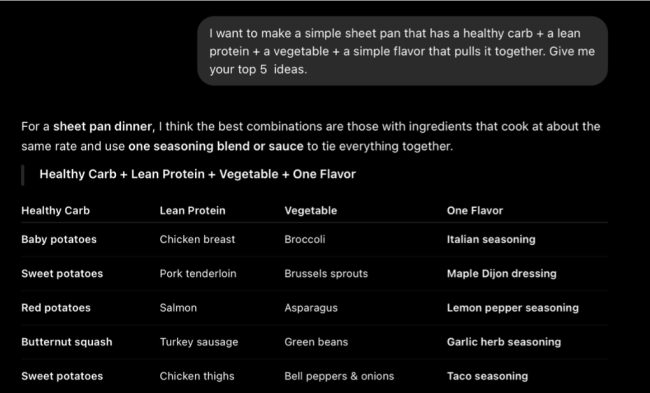
Sheet pan formula
1-2 veggies + one protein + one carb + one seasoning blend + olive oil, salt, pepper (cook at 400 degrees)
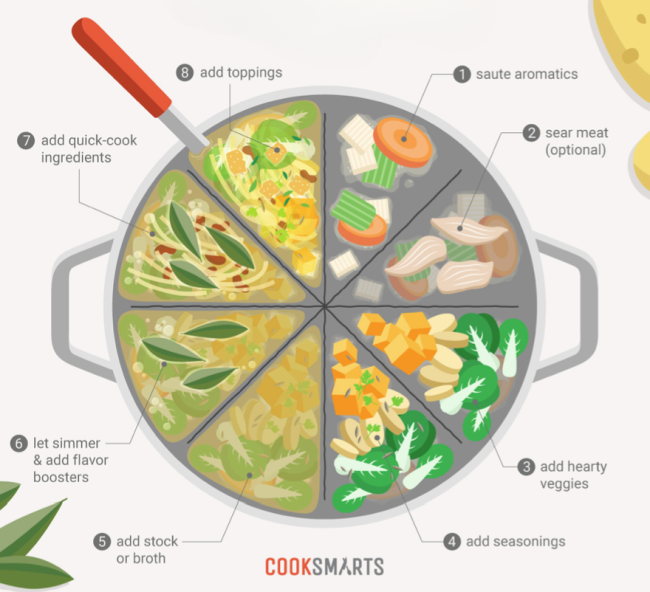
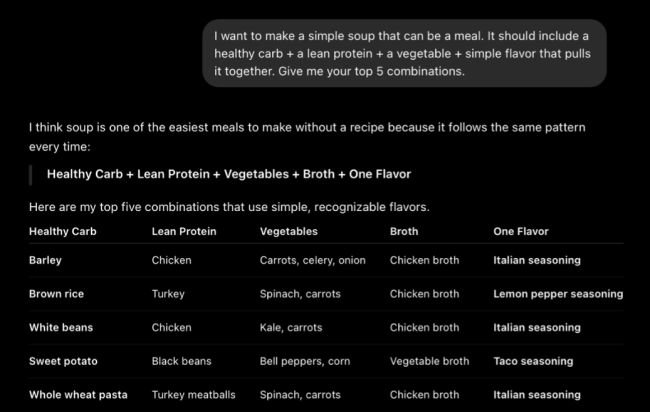
Soup formula
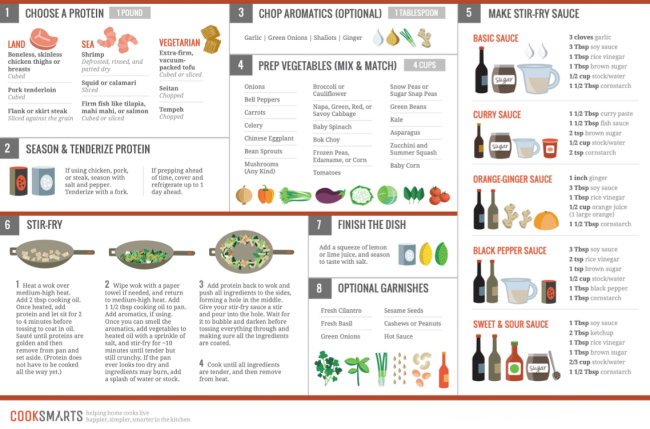
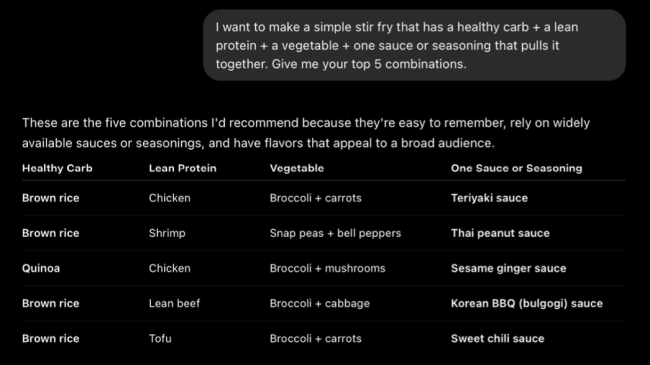
Stir fry formula
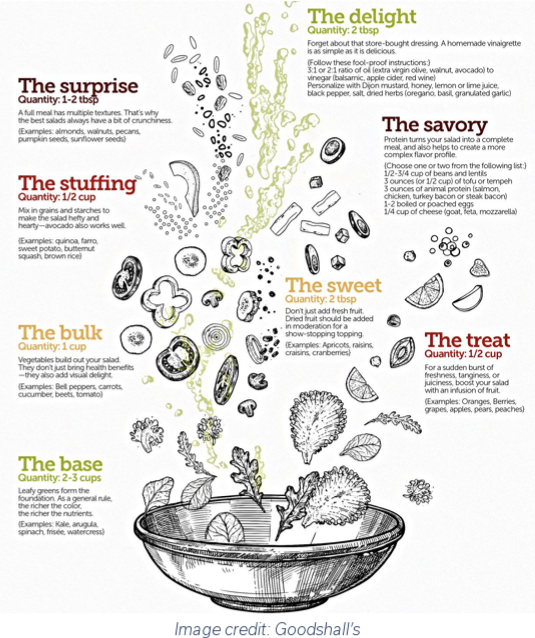
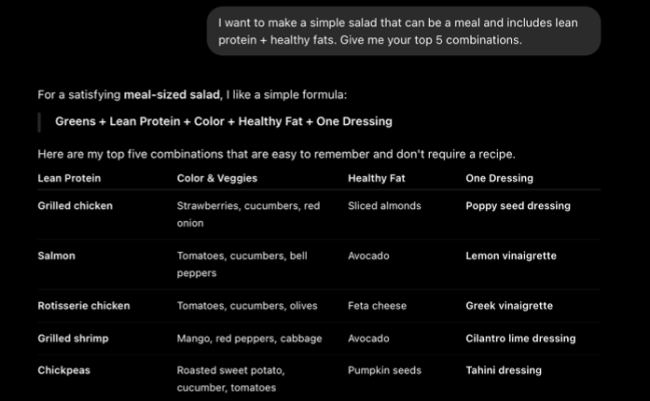
Salad formula
Sandwich formula